



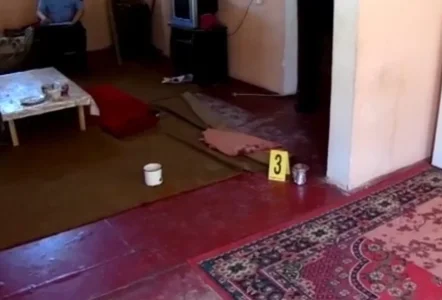
On April 23, 2015, police in the southern Kazakh town of Saryagash responded to a disturbing call. Two girls, aged 11 and 9, were found strangled inside their rented home. There were no signs of forced entry, and the interior appeared intentionally disturbed.
The children’s mother, Feruza Tulaganova (33), initially told neighbors she could not open the front door. However, investigators soon discovered the door had been locked from the outside, raising immediate suspicion.
During questioning, Feruza calmly described discovering the bodies — but her account conflicted with the physical evidence. Within twenty-four hours, she confessed: after a night of heavy drinking and deep despair over her late husband’s death, she decided to end both her own life and her children’s. According to her statement, she strangled her daughters while whispering, “We’re going to Papa.” She then staged the house to resemble a robbery before leaving.
At trial she retracted her confession, alleging one daughter killed the other and then herself, a version experts deemed impossible. In July 2015, she was sentenced to 20 years in prison. Later investigation revealed she had exaggerated her financial hardship, indicating psychological collapse rather than absolute poverty as the primary factor.
This remains one of the most chilling family murders in Kazakhstan’s recent history, highlighting how emotional isolation and unprocessed trauma can lead to tragedy.
Discussion points:
• Could early mental-health intervention have prevented this case?
• How common are similar family-annihilation motives across cultures?
• What warning signs are typically ignored in small-town environments?
Reference / Source material:
Based on case documentation and a recent independent breakdown:
The children’s mother, Feruza Tulaganova (33), initially told neighbors she could not open the front door. However, investigators soon discovered the door had been locked from the outside, raising immediate suspicion.
During questioning, Feruza calmly described discovering the bodies — but her account conflicted with the physical evidence. Within twenty-four hours, she confessed: after a night of heavy drinking and deep despair over her late husband’s death, she decided to end both her own life and her children’s. According to her statement, she strangled her daughters while whispering, “We’re going to Papa.” She then staged the house to resemble a robbery before leaving.
At trial she retracted her confession, alleging one daughter killed the other and then herself, a version experts deemed impossible. In July 2015, she was sentenced to 20 years in prison. Later investigation revealed she had exaggerated her financial hardship, indicating psychological collapse rather than absolute poverty as the primary factor.
This remains one of the most chilling family murders in Kazakhstan’s recent history, highlighting how emotional isolation and unprocessed trauma can lead to tragedy.
Discussion points:
• Could early mental-health intervention have prevented this case?
• How common are similar family-annihilation motives across cultures?
• What warning signs are typically ignored in small-town environments?
Reference / Source material:
Based on case documentation and a recent independent breakdown:
Attachments


Last edited: