Post 3 – Clarity around key facts
When I refer to “key facts”, I mean things like:
- exactly when and where the child was last seen, by whom.
- exactly when and how the search began and when police were notified.
- exactly who was present, who was away, and what the precise physical context was (distances, terrain, supervision).
- how the search protocol shifted (who was involved, when, and what was found or not found).
These aren’t necessarily private or investigative facts, they’re core public chronology items. Without them, the public narrative remains incomplete.
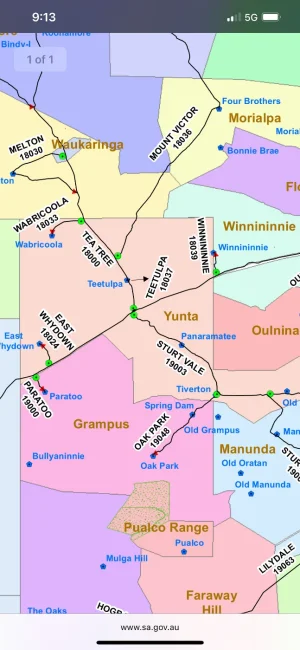
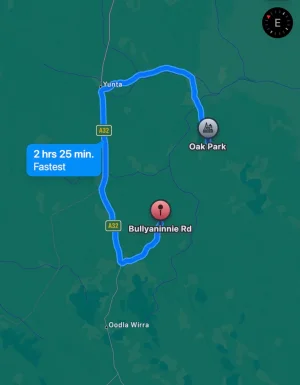
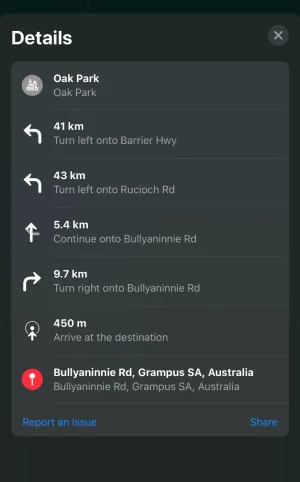
Here’s where the 10 km-away detail becomes relevant: the media (for example a 7NEWS report) say the mother and another grandparent were about 10 km away, tending sheep, at the time the boy vanished.
7NEWS Police haven’t publicly confirmed that specific claim in official bulletins (at least not yet).
If it’s correct, that adds a dimension to the timeline and supervision scenario that’s not yet clearly mapped in official releases. If it’s inaccurate, it raises questions about how conflicting information enters public domain. Either way, it touches a “key fact” zone: who was there, what was happening, when they noticed, how quickly the chain of notification unfolded.
So yes, I agree that police updates have been consistent in tone. And yes, I appreciate the need for investigative integrity and privacy. But “consistent” does
not mean “complete” from a public-chronology standpoint. Until we have those core pieces locked in and aligned with each other and other sources, the sequence remains looser than I’d expect for this type of case.
I’m not suggesting the family is uncooperative. I’m not claiming police are hiding things. I’m saying that from an analytical standpoint, these missing map-points make a difference to how the case presents, and they matter when we compare to what the public normally gets in a missing-child scenario.