




- Joined
- Sep 14, 2004
- Messages
- 13,340
- Reaction score
- 35,498
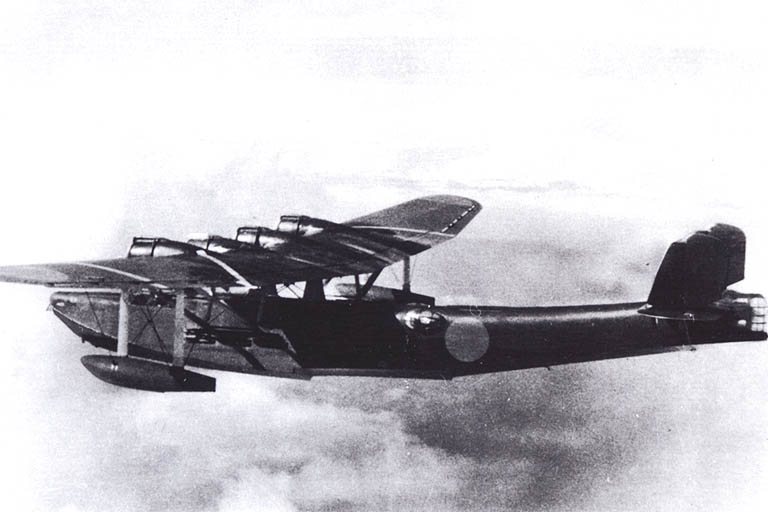
The Japanese military began experimenting with "flying boat" long range aircraft in 1929, and by 1930 had developed and tested their first Kawanishi H3K. This aircraft was in service until 1934, when a more powerful, longer-range aircraft was sought.
The next flying boat designed was a four-engine model called the Kawanishi H6K, which was designed in 1934 and first flown in 1936. It was used for reconnaissance, transport, bombing, naval warfare, and executive transport by the Imperial Japanese Navy. The national airline also used it as commercial airliner. It was later given the codename "Mavis" by Allied Forces and served throughout World War II.
The Japanese certainly had pilots well trained in handling four engine flying boats by the time of the 29 July 1938 disappearance of the Hawaiian Clipper. A potential reason for hijacking the Clipper might have been a desire to study it for development of a more improved Japanese flying boat. Speculation, of course, but Japan was at that time working on a new, longer-range Maritime plane and they did have pilots capable of flying the Hawaii Clipper to Japan - if indeed it was captured intact.
The next Japanese design was the Kawanishi H8K, which was first flown in 1941. Code named "Emily" by the Allied Forces, it also operated in the Pacific until 1945. Aircraft historian René Francillon called the H8K "the most outstanding water-based combat aircraft of the Second World War."
: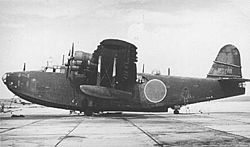
Four engine Japanese Kawanishi H8K
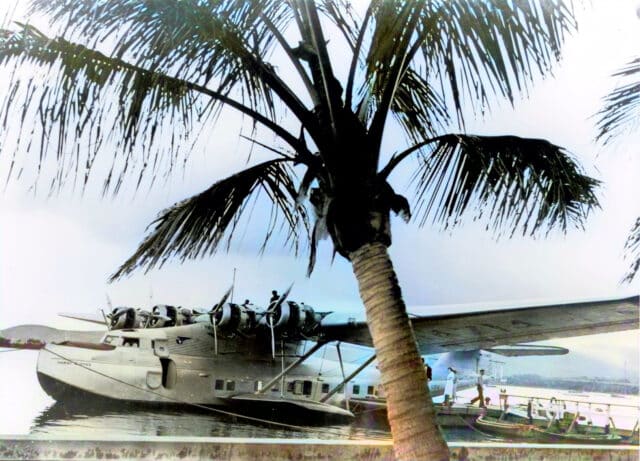
Pan Am Hawaii Clipper (a Martin M-130 Aircraft)
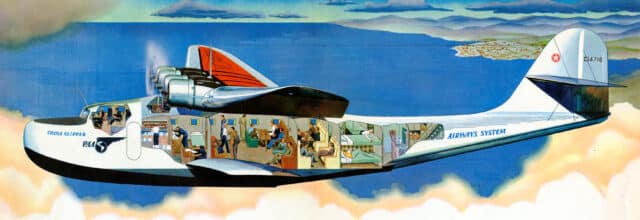
Cutaway drawing of a Martin M-130 like the Hawaii Clipper
LINKS:
 en.wikipedia.org
 en.wikipedia.org
 en.wikipedia.org
The next flying boat designed was a four-engine model called the Kawanishi H6K, which was designed in 1934 and first flown in 1936. It was used for reconnaissance, transport, bombing, naval warfare, and executive transport by the Imperial Japanese Navy. The national airline also used it as commercial airliner. It was later given the codename "Mavis" by Allied Forces and served throughout World War II.
The Japanese certainly had pilots well trained in handling four engine flying boats by the time of the 29 July 1938 disappearance of the Hawaiian Clipper. A potential reason for hijacking the Clipper might have been a desire to study it for development of a more improved Japanese flying boat. Speculation, of course, but Japan was at that time working on a new, longer-range Maritime plane and they did have pilots capable of flying the Hawaii Clipper to Japan - if indeed it was captured intact.
The next Japanese design was the Kawanishi H8K, which was first flown in 1941. Code named "Emily" by the Allied Forces, it also operated in the Pacific until 1945. Aircraft historian René Francillon called the H8K "the most outstanding water-based combat aircraft of the Second World War."
:

Four engine Japanese Kawanishi H8K
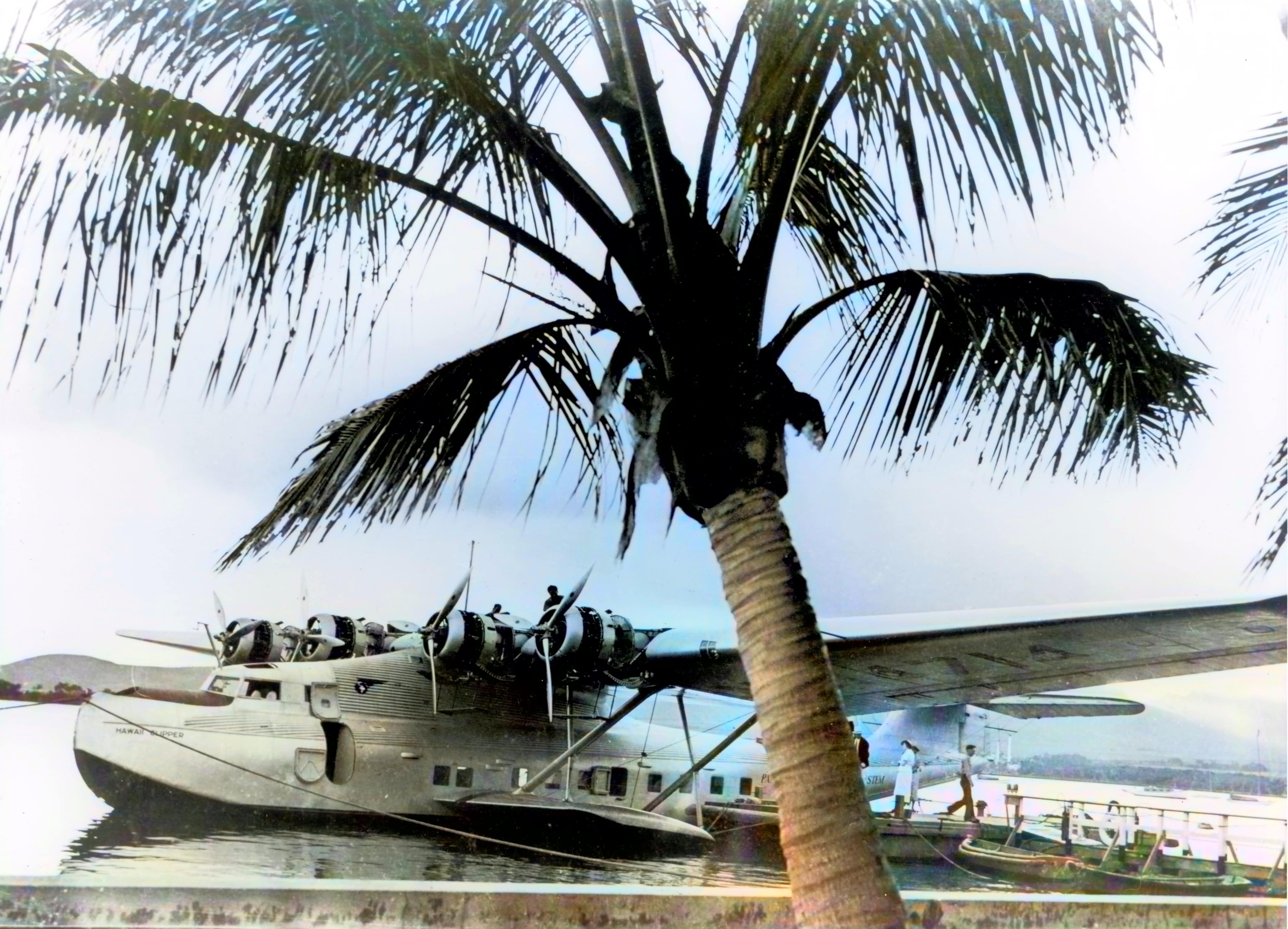
Pan Am Hawaii Clipper (a Martin M-130 Aircraft)
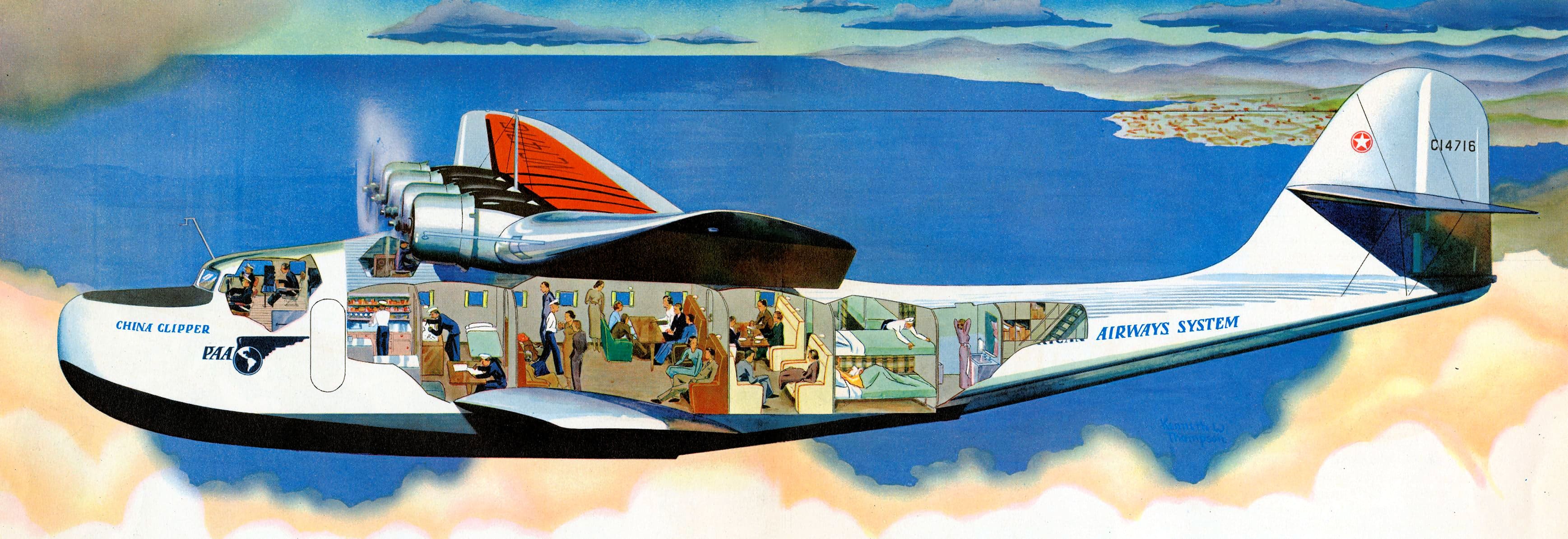
Cutaway drawing of a Martin M-130 like the Hawaii Clipper
LINKS:
Kawanishi H3K - Wikipedia
Kawanishi H6K - Wikipedia
Kawanishi H8K - Wikipedia
Last edited: