Iran’s Regime May Survive, but the Middle East Will Be Changed
A badly weakened Iran will no longer intimidate or threaten its neighbors in the same way. The regional impact could be comparable to the collapse of the Soviet Union.
-
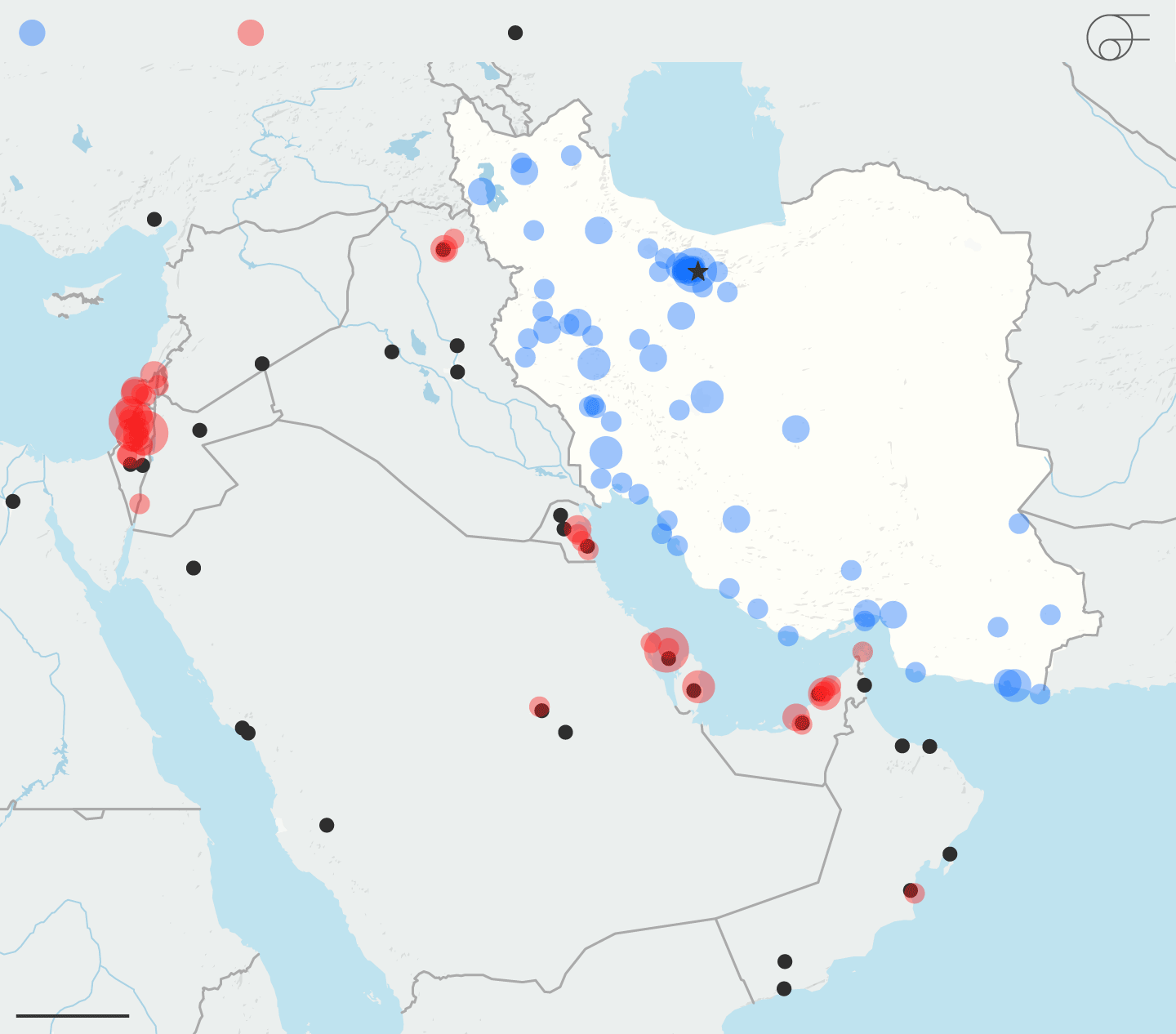
Iran’s supreme leader may be dead, but there will be another. Its slain military commanders will be replaced. A governing system created over 47 years will not easily disintegrate under air power alone. Iran retains the capacity to strike back against American and Israeli airstrikes, and the war’s trajectory is unclear.
But the Islamic Republic, already weakened and unpopular, is now further diminished, its power at home and in the region at one of its lowest ebbs since its leaders took power during the revolution that overthrew Iran’s American-backed shah in 1978-79.
Even if the regime does not fall, which remains the stated aim of President Trump, this massive attack is likely to have strategic consequences in the Middle East comparable to the collapse of the Soviet Union.
-
Iran built up its missile program and enriched uranium to nearly bomb grade, even as it denied ever wanting a bomb. It became a regional power so strong that Sunni leaders in Saudi Arabia, Egypt and the Gulf sought to keep good ties with a Shia Islamic regime that also threatened them.
Iran’s decline began two years ago, with Israel’s tough and sustained response to an invasion by Hamas from Gaza. It accelerated when Israel eroded Iran’s air defenses, defeated Hezbollah and profited from the Syrian revolution that overthrew Bashar al-Assad, another ally of Tehran.
But now, with the ayatollah’s death and intense destruction from the air, Iran’s regional sway has ebbed further, with uncertain consequences that will play out over months and even years.
A badly weakened Iran will no longer intimidate or threaten its neighbors in the same way. The regional impact could be comparable to the collapse of the Soviet Union.

www.nytimes.com