

ME- Private jet carrying 8 people crashes at Bangor, Maine airport. 25 Jan 2026

  • #21
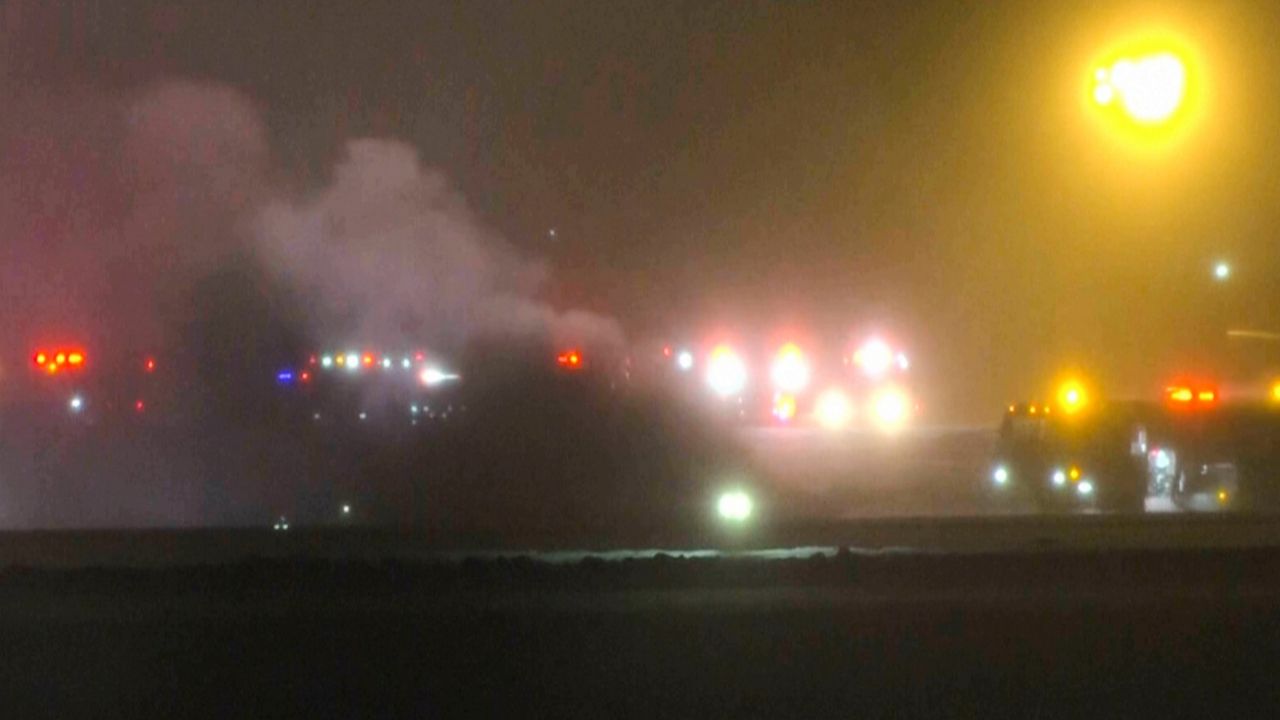
Snowfall was heavy elsewhere at the time of the crash, but accumulation had just started in Bangor. Other planes had been taking off safely. But about half an hour before the crash, the pilot of a Florida-bound Allegiant plane radioed the tower to abort his takeoff.

The international airport in Bangor, about 200 miles (320 kilometers) north of Boston, is one of the closest in the U.S. to Europe and is often used to refuel private jets flying overseas. The Bombardier was headed for France when it crashed.

 
  • #22
if you have the kind of precipitation we have been having, isn't the chance of ice reforming like 100%? Are they hoping to get the plane above the precip?
This is going to be a pretty simplistic explanation but no that would not be the norm.

The Bombardier I'm most familair with is the Challenger 601-3A CL-600-2B16 which is equipped with both ice detection and anti-icing systems. I'm not typed (qualified as pilot in command) on it, I was kind of the Embraer Queen as far as regional jets go, but I've been in the jumpseat as a comuting pilot or a fed doing an enroute check many times. The ice detection system warns pilots of potential ice accumulation, while the anti-icing systems prevent ice accumulation on engine components, wings, windshields, and air data system (ADS) probes. The HOT (holdover time) you see referenced in articles about the crash, is to allow you to take off with the wings and critical surfaces free from ice, and aloft you then have the anti ice continuing to work to keep from forming (assuming normal ice, not severe ice or freezing rain).

Wing Anti-Ice is typically not turned on during the actual aircraft deicing using thickened fluids (e.g. SAE Type II, III, or IV (which can cause numerous problems including fumes in the cabin, interference with spray patterns, and degredation of hold over times.) Wing Anti ice should NOT be used on the ground after de-icing to preserve the fluid on the leading edge, it's intended for after takeoff.

The key term here is "anti ice".
The anti ice isn't like the old fashioned pneumatic "boots" that many older or smaller turboprop aircraft had that would inflate and knock the ice off the leading edge. after it had formed. If ice is on the wing when anti ice is turned on, it's not going to be effective in removing ice that's already there, It's to PREVENT ice forming during flight.
 

Guardians Monthly Goal

Members online

Online statistics

Members online
137
Guests online
1,549
Total visitors
1,686

Forum statistics

Threads
638,769
Messages
18,733,140
Members
244,535
Latest member
LA KING
Back
Top