


You are using an out of date browser. It may not display this or other websites correctly.
You should upgrade or use an alternative browser.
You should upgrade or use an alternative browser.
GUILTY WA - Kassanndra Cantrell, 33, pregnant, found deceased, Parkland, 25 Aug 2020 *Arrest* #2
- Thread starter GuyfromCanada
- Start date



- Joined
- Feb 14, 2020
- Messages
- 385
- Reaction score
- 3,094
Looks like another continuance.
Pierce County Superior Court Criminal Case 20-1-02383-5
02/08/2022 08:45 AM CRIMINAL DIVISION- PRESIDING JUDGE CDPJ OMNIBUS HEARING
05/06/2022 08:30 AM CRIMINAL DIVISION- PRESIDING JUDGE CDPJ TRIAL READINESS STATUS HEARING
05/17/2022 08:30 AM CRIMINAL DIVISION- PRESIDING JUDGE CDPJ JURY TRIAL
Pierce County Superior Court Criminal Case 20-1-02383-5
02/08/2022 08:45 AM CRIMINAL DIVISION- PRESIDING JUDGE CDPJ OMNIBUS HEARING
05/06/2022 08:30 AM CRIMINAL DIVISION- PRESIDING JUDGE CDPJ TRIAL READINESS STATUS HEARING
05/17/2022 08:30 AM CRIMINAL DIVISION- PRESIDING JUDGE CDPJ JURY TRIAL

What?! Why??? I can’t believe this. I remember being impressed and shocked at how soon the first scheduled omnibus hearing date was. So the first delays weren’t a surprise. But this is getting ridiculous. The evidence is already in hand and it is damning. Let’s get this done so the family can put this process behind them.Looks like another continuance.
Pierce County Superior Court Criminal Case 20-1-02383-5
02/08/2022 08:45 AM CRIMINAL DIVISION- PRESIDING JUDGE CDPJ OMNIBUS HEARING
05/06/2022 08:30 AM CRIMINAL DIVISION- PRESIDING JUDGE CDPJ TRIAL READINESS STATUS HEARING
05/17/2022 08:30 AM CRIMINAL DIVISION- PRESIDING JUDGE CDPJ JURY TRIAL


- Joined
- Feb 25, 2013
- Messages
- 46,366
- Reaction score
- 479,655
I think this was the last time I saw KC's name in the news. Fortunately, she's not a cold case and her killer is behind bars.
In Tacoma, homicide numbers are up and the solve rate is down Jan 10, 2021
In Tacoma, homicide numbers are up and the solve rate is down Jan 10, 2021
What?! Why??? I can’t believe this. I remember being impressed and shocked at how soon the first scheduled omnibus hearing date was. So the first delays weren’t a surprise. But this is getting ridiculous. The evidence is already in hand and it is damning. Let’s get this done so the family can put this process behind them.
I looked up his lawyer/defense. They are working in Spokane. I dont know if its a teleconference thing or if they have to drive all the way to Tacoma for any sort of counsel. He is still entitled to a "fair" trial which means making sure he has all of his meetings with his lawyer. I doubt it will help much. He will be sitting in jail for how ever long it takes the trial to start and that time will be counted towards his final sentence. Murder 1 is a class A felony. Class B carries a max of 10 years. Class A carries a max of life. It is there for assumed that when he is found guilty he will be looking at 10 years to life. He wont be going anywhere anytime soon but I want this to be over for the families sake.
I agree. The evidence is damning. I really do not see any defense strategy beyond pursuing a plea deal.I looked up his lawyer/defense. They are working in Spokane. I dont know if its a teleconference thing or if they have to drive all the way to Tacoma for any sort of counsel. He is still entitled to a "fair" trial which means making sure he has all of his meetings with his lawyer. I doubt it will help much. He will be sitting in jail for how ever long it takes the trial to start and that time will be counted towards his final sentence. Murder 1 is a class A felony. Class B carries a max of 10 years. Class A carries a max of life. It is there for assumed that when he is found guilty he will be looking at 10 years to life. He wont be going anywhere anytime soon but I want this to be over for the families sake.
D
Deleted member 718
Guest
Was there a hearing today? tiaLooks like another continuance.
Pierce County Superior Court Criminal Case 20-1-02383-5
02/08/2022 08:45 AM CRIMINAL DIVISION- PRESIDING JUDGE CDPJ OMNIBUS HEARING
05/06/2022 08:30 AM CRIMINAL DIVISION- PRESIDING JUDGE CDPJ TRIAL READINESS STATUS HEARING
05/17/2022 08:30 AM CRIMINAL DIVISION- PRESIDING JUDGE CDPJ JURY TRIAL
- Joined
- Feb 25, 2013
- Messages
- 46,366
- Reaction score
- 479,655
No, the hearing was continued and the trial has been pushed out to Oct 2022.Was there a hearing today? tia
- Joined
- Feb 25, 2013
- Messages
- 46,366
- Reaction score
- 479,655
| 04/20/2022 08:45 AM | CRIMINAL DIVISION- PRESIDING JUDGE | CDPJ | OMNIBUS HEARING | CONTINUED | |
| 05/06/2022 08:30 AM | CRIMINAL DIVISION- PRESIDING JUDGE | CDPJ | TRIAL READINESS STATUS HEARING | CONTINUED | |
| 05/17/2022 08:30 AM | CRIMINAL DIVISION- PRESIDING JUDGE | CDPJ | JURY TRIAL | CONTINUED | |
| 05/18/2022 01:30 PM | CRIMINAL DIVISION- PRESIDING JUDGE | CDPJ | OMNIBUS HEARING | ||
| 09/23/2022 08:30 AM | CRIMINAL DIVISION- PRESIDING JUDGE | CDPJ | TRIAL READINESS STATUS HEARING | ||
| 10/05/2022 08:30 AM | CRIMINAL DIVISION- PRESIDING JUDGE | CDPJ | JURY TRIAL |



- Joined
- Dec 26, 2013
- Messages
- 4,813
- Reaction score
- 49,463
Ugh, I hate a plea deal. I thought the prosecutor usually consulted with the victim's family before agreeing to negotiate a plea deal. If that isn't common practice, it definitely should be!On the Justice for Kassanndra Cantrell fb page there's a post by her mother. She's very upset that there appears to be a plea deal in the works.
- Joined
- Feb 25, 2013
- Messages
- 46,366
- Reaction score
- 479,655
CD was charged with 1st-degree murder because the evidence supports this charge. There is no other killer out there responsible for KC and her baby's death.
I think the defendant entering a guilty plea to this charge without going through a trial is a win-win for both the state and the family.
And I don't believe there's a deal being negotiated for lesser charges, resulting in lesser punishment.
I hope KC's family continues to celebrate her life, holding on to how she lived, versus how she died. MOO
As Dudley awaits trial, Cantrell’s family and friends are reeling from the death of the good-hearted woman who loved vintage clothes and always made a big impression.
“If I was the firecracker, she'd be the New Year's Eve ball drops in New York,” says McNary. “She wasn’t shy. “She was real loud.”
11/12/2020 Family of Murdered Wash. Mom-to-Be Seeks Justice: 'She Deserved More Than Being Dumped in a Ravine'
I think the defendant entering a guilty plea to this charge without going through a trial is a win-win for both the state and the family.
And I don't believe there's a deal being negotiated for lesser charges, resulting in lesser punishment.
I hope KC's family continues to celebrate her life, holding on to how she lived, versus how she died. MOO
As Dudley awaits trial, Cantrell’s family and friends are reeling from the death of the good-hearted woman who loved vintage clothes and always made a big impression.
“If I was the firecracker, she'd be the New Year's Eve ball drops in New York,” says McNary. “She wasn’t shy. “She was real loud.”
11/12/2020 Family of Murdered Wash. Mom-to-Be Seeks Justice: 'She Deserved More Than Being Dumped in a Ravine'
- Joined
- Feb 25, 2013
- Messages
- 46,366
- Reaction score
- 479,655
I saw that a couple of weeks ago and forgot about it!Just a small update - The murder house was/is listed as for sale. Still awaiting trial.
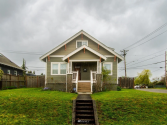

Average looking home on sale for £240k - but it's hiding a chilling secret
THIS unassuming house could be yours for a very reasonable £240,000 but any prospective buyer may want to check out its history first. The newly painted three-bed property covers 1,758 sq ft and ju…
 www.the-sun.com

- Joined
- May 20, 2013
- Messages
- 5,754
- Reaction score
- 77,571
If the rumours are true as to what this monster did to Kassandra, I’m not in favour of a plea deal.
I can understand how the family would be upset.
I guess we wait and see. He should NEVER see the light of day again.
MOO
I can understand how the family would be upset.
I guess we wait and see. He should NEVER see the light of day again.
MOO
- Joined
- Feb 25, 2013
- Messages
- 46,366
- Reaction score
- 479,655
Given this case has never met the factors necessary for an aggravated, first-degree murder charge (i.e., the homicide (killing of a human) took place in conjunction with certain felony crimes, such as murder for hire, a drive-by shooting, etc), I don't have a problem with the state settling this case without a trial.
Regardless of whether or not CD is convicted by a jury or guilty by a plea agreement, similar to Federal sentencing, the WA State sentencing guidelines will ultimately determine the time CD will be imprisoned.
The laws on first degree murder in Washington are set forth in RCW 9A.32.030. According to this statute, a person is guilty of the crime if he or she causes the death of another person and:
Murder in the first degree is a class A felony under Washington law. The maximum penalty for the crime is life in prison and a $50,000 fine. The standard range sentence for the offense is 20 (240 mos) to 30 years (320 mos) in prison.
However, similar to federal sentencing guidelines, WA State uses an offender scoring board to calculate the minimum/maximum sentence upon conviction of first-degree murder where the offender's adult history, juvenile history, other current offenses, and whether or not the offender was on parole or probation when they committed the crime they've been convicted for are considered in calculating the sentence -- see page 398 at the link below. In other words, any prior acts including juvenile offenses can increase the sentence above the standard range noted above.
If certain factors for "aggravated murder" are met, (not applicable here) a conviction of aggravated first-degree murder results in a mandatory sentence of life in prison without the possibility of parole.
A person sentenced to life imprisonment under this section shall not have that sentence suspended, deferred, or commuted by any judicial officer and the indeterminate sentence review board or its successor may not parole such prisoner nor reduce the period of confinement in any manner whatsoever including but not limited to any sort of good-time calculation.
Regardless of whether or not CD is convicted by a jury or guilty by a plea agreement, similar to Federal sentencing, the WA State sentencing guidelines will ultimately determine the time CD will be imprisoned.
The laws on first degree murder in Washington are set forth in RCW 9A.32.030. According to this statute, a person is guilty of the crime if he or she causes the death of another person and:
- Does so with a premeditated intent to cause that death,
- Does so while engaging in conduct that shows an extreme indifference to human life, or
- Does so while committing the crime of robbery, rape, burglary, arson, or kidnapping.
Murder in the first degree is a class A felony under Washington law. The maximum penalty for the crime is life in prison and a $50,000 fine. The standard range sentence for the offense is 20 (240 mos) to 30 years (320 mos) in prison.
However, similar to federal sentencing guidelines, WA State uses an offender scoring board to calculate the minimum/maximum sentence upon conviction of first-degree murder where the offender's adult history, juvenile history, other current offenses, and whether or not the offender was on parole or probation when they committed the crime they've been convicted for are considered in calculating the sentence -- see page 398 at the link below. In other words, any prior acts including juvenile offenses can increase the sentence above the standard range noted above.
If certain factors for "aggravated murder" are met, (not applicable here) a conviction of aggravated first-degree murder results in a mandatory sentence of life in prison without the possibility of parole.
A person sentenced to life imprisonment under this section shall not have that sentence suspended, deferred, or commuted by any judicial officer and the indeterminate sentence review board or its successor may not parole such prisoner nor reduce the period of confinement in any manner whatsoever including but not limited to any sort of good-time calculation.
Last edited:
- Joined
- Feb 25, 2013
- Messages
- 46,366
- Reaction score
- 479,655
Here's a link to a Washington State Sentencing Guidelines Calculator created by Martonick Law, Pullman, Washington and is based on the 2012/2013 Washington State Adult Sentencing Guidelines Manual. (2021 Manual is linked in my prior post).
Being a local I went to the omnibus hearing yesterday. His lawyer was a bit disorganized. She said that they are taking a plea deal and that the trial case will be over on the 14th. The case page on linx seems to back that up as a plea hearing is listed for November 14th.
As the court room was listed as "open to the public" online I assume it is ok to share this information early.
As the court room was listed as "open to the public" online I assume it is ok to share this information early.
Last edited:
Similar threads
- Locked
- Replies
- 960
- Views
- 138K

- Replies
- 74
- Views
- 9K


- Replies
- 409
- Views
- 62K


- Replies
- 73
- Views
- 20K


- Locked
- Replies
- 1,048
- Views
- 175K

Guardians Monthly Goal

Goal Reached! We hit our target of 75 new Guardians!
New stretch goal: 100!
Our goal for the month is 75 new Guardians members to sign up. Have you been thinking about becoming a member?
Click here to find out how!


Online statistics
- Members online
- 50
- Guests online
- 983
- Total visitors
- 1,033
Totals may include hidden visitors.
Forum statistics
Community Rules
-
Be CivilTreat all members with respect. No personal attacks, harassment, or inflammatory language.
-
Victim FriendlyAlways show respect for victims and their families. No victim blaming or insensitive speculation.
-
Fact-based SourcingProvide credible sources for claims. Distinguish between verified facts and personal theories.
-
Social Media UseDo not post direct links to personal social media profiles of private individuals.
-
Copyright and PaywallsDo not copy full articles. Summarize and link to the original source instead.
-
Privacy and Personal InformationDo not post personal information such as addresses, phone numbers, or workplaces.
-
Registered Sex-OffendersDo not name or speculate about RSOs unless officially named in connection to a case.
-
Stay On TopicKeep discussions relevant to the case or topic at hand. Avoid off-topic tangents.
-
Accounts, Moderation, and DisputesOne account per person. Contact moderators privately for disputes or concerns.
-
Solicitation and FundraisingNo solicitation, fundraising, or promotion of personal ventures without approval.