sleutherontheside
Retired WS Staff
- Joined
- Jan 16, 2009
- Messages
- 9,874
- Reaction score
- 117,185
A snarky remark during the Fairgrieve depo between AShton and Sims.
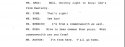





You must be tired. The guy was retained by Baez before that, he was retained on 10/22/2008!!!! (page 21) He says: "He was retained to specifically review materials pertaining to the use of human remains detection dogs."
The letter of engagement with no fees listed was signed on 12/4/2008. It states JB is responsible for his travel expenses :skipping: lol!
The defense experts as of 2009 that attended a defense team meeting at the AAFS show in Denver 2009 were Fairgrieve, Dr. Bock, Dr. Kobilinsky, Kathy Reichs and Dr. Tony Falsetti, Forensic Anthropologist. Not present were Furton, Huntington, and Henry Lee.
He has no documented experiments, he's testified in 2 or 3 other cases. I can't believe this is what the defense has retained, no wonder Mr. Ashton wants this motion stricken. :banghead:
Below is a cut and paste from the Jon Benet Ramsey -post #82 -by Madeleine.
It seems to reflect a thought regarding Baby Caylees' "burial". The stickers on her mouth etc.. Would like to hear your thoughts WSer's on this matter. There wasn't too much detail in the article link. Thanks.
POST :
"undoing" and John Douglas
http://web.archive.org/web/200010271...as1007_01.html
You have to look to see what the message is.
Sometimes you'll see a victim laid out nice and neat at a crime scene. The subject may go so far as to cover the corpse with a sheet or blanket.
There are various reasons for doing this. The killer may go into an explosive rage and then ask himself afterward, "What did I do?" He doesn't want to look at the crime he perpetrated, so he covers the victim.
When a parent kills a child
Or it could be that a close relationship existed between the killer and the victim. Let's say a parent kills a child and then buries the body. You may find that the child was carefully wrapped or the face covered to keep dirt from getting in the mouth. In essence, someone is caring for the child after death.
There's a word we use: "undoing." That's when someone tries to somehow lessen the damage after committing the crime, maybe by cleansing and bandaging the wounds. The killer may try softening the appearance of the crime by making the body's position restful and clasping the hands, almost like the victim is laid out. It's a way of symbolically erasing or reversing the crime, and it suggests remorse. Doing this gives the subject away. It's a personal crime -- strangers wouldn't likely do this.
-----------
Can anyone find this guys CV? Also, I think the reason he was retained so early is that from the get go JB was attacking the cadaver dog results. Until Caylee was found, they were going to argue she was still alive.
Don't know if this was mentioned yet,if so, disregard...
This is more of a medical question pertaining to Dr. Fairgrieve's depo. On page 41, starting on line #16, he states;
"For example, somebody cuts their finger and blood is spilled. If blood remains in a certain location, it will start to undergo decomposition and the scent from that decomposition can go into the air, yet we do not have a dead individual"
My understanding is the blood alone does not decompose. It may degrade and proteins may break down but is that an equivilent of a total human decompositional event? Is it fair for him to equate the two? I may be misunderstanding the decomp process, any medical experts her to set me straight.
I think that statement is a stretch and to me just a poor attempt at "verbal judo".
Don't know if this was mentioned yet,if so, disregard...
This is more of a medical question pertaining to Dr. Fairgrieve's depo. On page 41, starting on line #16, he states;
"For example, somebody cuts their finger and blood is spilled. If blood remains in a certain location, it will start to undergo decomposition and the scent from that decomposition can go into the air, yet we do not have a dead individual"
My understanding is the blood alone does not decompose. It may degrade and proteins may break down but is that an equivilent of a total human decompositional event? Is it fair for him to equate the two? I may be misunderstanding the decomp process, any medical experts her to set me straight.
I think that statement is a stretch and to me just a poor attempt at "verbal judo".

It is my understanding and experience that Blood and similar stand alone bodily fluids can easily be detected by dogs, "Cadaver Dogs" are specifically not trained to hit on it. Human sent/search dogs are. Blood, Urine, Sweat Feces, etc.
For a "properly trained" Cadaver dog to hit on a live human sample it would need to be something major, such as an amputation. Typically something with multiple tissue components or at a minimum some bone..
Where it gets grey (and this is SOOO clearly where Dr. Fairgreave's anecdotal test of the dog finding his blood comes in.) Is in the dogs training. Dogs trained exclusively by or for Law Enforcement will be exclusively trained in one single discipline. A Cadaver dog is just that a Cadaver Dog with all other target types deliberately excluded. But Hobbyists and Volunteer Dogs can and often do have a bit more cross disciplinary training. Many of these groups and individuals train to be more of an on demand volunteer Search and Rescue Team. Much Like TES. So the dog may be cross trained a little more broadly with that goal in mind. Which then increases their effectiveness is finding a lost child say, but decreases it in an evidentiary situation. I am betting some of the non LE dogs that we have seen in the Caylee circus have been of this type, such as Ms. St Johns team.
The dog that Dr. Fairgreave used for his uncontrolled anecdotal blood test was a privately owned volunteer hobbyists dog, not an LE dog.
Hitting the thanks button just wasn't enough. Thank you so much for your perspective.Sorry, alot of cadaver dogs are trained to indicate on blood although there is a subset that are trained to indicate on blood only. The new designer label I have seen for these dogs is "forensics dogs" Cadaver dogs should not indicate on sweat, feces, or urine. Live scent dogs usually bypass blood and may not indicate the presence of sweat, feces, or urine because their overwhelming prime directive is locating a person. But these products (urine, sweat, feces) can be used to scent a trailing dog
This is incorrect. "properly trained" dogs will indicate on small particles of human such as a single tooth, and will also indicate on the odor of decomp. I've simulated body drags where there is no physical remains present - just the odor. One of the favorite exercises at seminars is taking a clean gauze pad or unused tampon and placing the item in the box where cadaver materials are stored. After a period of time, the item is removed (no physical contact or saturated in the cadaver material- the physically is just as clean looking as when you put it in the box - all it contains is the 'odor' ) and placed in a bottle of distilled water. This water is then sprayed on various surfaces or single drops are placed in locations and the dogs have to locate these sprays or single drops. Because the guaze/tampon does not contain actual physical human remain material, these dogs are indicating solely on the odor of decomp.
It is VERY RARE to find a single purpose LE dog. To the dog, almost all are dual purpose (narcotics/patrol or explosive/patrol) because it is just to expensive to maintain a pure single discipline dog. And many dogs with patrol training are also trained in article recover. If there is a single purpose dog then there may be only 1 or 2 in the whole state.
Like LE, many search dogs are trained in multiple search aspects although there are more single purpose dogs because volunteers can afford that luxury. Many volunteer dogs are more highly trained then LE dogs in their disciplines because volunteers have more time to do it. Most officers only train on their department's "training day" and the dog may only get one hour of "work" during that period which may include NO detection training at all but perhaps tactical obedience, gunfire training, or agression work. Volunteer or paid, how much training your dog gets depends on how much time you put into it.
Just because you throw the term "LE dog" out there does not make that dog special. I've seen some LE dogs that would have struggled just to make it to Ms St.John's level - as low as that can possibly be. I've seen more 'volunteer dogs' blow LE dogs out of the water simply because they have more time to train and do actual field work in their disciplines. There are good and bad teams on both sides of the fence.
Now for my soap box moment. I know from your posting you hold volunteers and volunteer sar teams in some disregard. For the record, I dislike the term 'hobbyist" although (if you use the dictionary meaning) many do it because it gives them pleasure (although when you come crawling out of the bush, covered with mosquito/tick/chigger bites, covered in sweat, dirt, with your hair plastered to your head, stinking to high heaven; eating power bars because that's all the food you will get that day and drinking whatever water you lugged in with you or slogging through stagnant swamp ground dealing with snakes, gators, bears, or ripped up by that nasty sticker patch you had to get though - I will admit the 'pleasure meter' is pretty much non-existant). Volunteers do it for a variety of reasons: community service, sense of purpose, paying it back or forward, etc. Most LE will only do it if their department pays for it. Volunteers spend their own money to put gas in their tanks, use their vacation time to attend seminars or searches, pay for their own meals/hotels, etc. LE gets to whip out the department's purchase card or voucher and receive their regular pay or overtime pay for being there.
The cold hard fact is that most LE departments could not afford to do what volunteers do for free.

Sorry, alot of cadaver dogs are trained to indicate on blood although there is a subset that are trained to indicate on blood only. The new designer label I have seen for these dogs is "forensics dogs" Cadaver dogs should not indicate on sweat, feces, or urine. Live scent dogs usually bypass blood and may not indicate the presence of sweat, feces, or urine because their overwhelming prime directive is locating a person. But these products (urine, sweat, feces) can be used to scent a trailing dog
This is incorrect. "properly trained" dogs will indicate on small particles of human such as a single tooth, and will also indicate on the odor of decomp. I've simulated body drags where there is no physical remains present - just the odor. One of the favorite exercises at seminars is taking a clean gauze pad or unused tampon and placing the item in the box where cadaver materials are stored. After a period of time, the item is removed (no physical contact or saturated in the cadaver material- the physically is just as clean looking as when you put it in the box - all it contains is the 'odor' ) and placed in a bottle of distilled water. This water is then sprayed on various surfaces or single drops are placed in locations and the dogs have to locate these sprays or single drops. Because the guaze/tampon does not contain actual physical human remain material, these dogs are indicating solely on the odor of decomp.
It is VERY RARE to find a single purpose LE dog. To the dog, almost all are dual purpose (narcotics/patrol or explosive/patrol) because it is just to expensive to maintain a pure single discipline dog. And many dogs with patrol training are also trained in article recover. If there is a single purpose dog then there may be only 1 or 2 in the whole state.
Like LE, many search dogs are trained in multiple search aspects although there are more single purpose dogs because volunteers can afford that luxury. Many volunteer dogs are more highly trained then LE dogs in their disciplines because volunteers have more time to do it. Most officers only train on their department's "training day" and the dog may only get one hour of "work" during that period which may include NO detection training at all but perhaps tactical obedience, gunfire training, or agression work. Volunteer or paid, how much training your dog gets depends on how much time you put into it.
Just because you throw the term "LE dog" out there does not make that dog special. I've seen some LE dogs that would have struggled just to make it to Ms St.John's level - as low as that can possibly be. I've seen more 'volunteer dogs' blow LE dogs out of the water simply because they have more time to train and do actual field work in their disciplines. There are good and bad teams on both sides of the fence.
Now for my soap box moment. I know from your posting you hold volunteers and volunteer sar teams in some disregard. For the record, I dislike the term 'hobbyist" although (if you use the dictionary meaning) many do it because it gives them pleasure (although when you come crawling out of the bush, covered with mosquito/tick/chigger bites, covered in sweat, dirt, with your hair plastered to your head, stinking to high heaven; eating power bars because that's all the food you will get that day and drinking whatever water you lugged in with you or slogging through stagnant swamp ground dealing with snakes, gators, bears, or ripped up by that nasty sticker patch you had to get though - I will admit the 'pleasure meter' is pretty much non-existant). Volunteers do it for a variety of reasons: community service, sense of purpose, paying it back or forward, etc. Most LE will only do it if their department pays for it. Volunteers spend their own money to put gas in their tanks, use their vacation time to attend seminars or searches, pay for their own meals/hotels, etc. LE gets to whip out the department's purchase card or voucher and receive their regular pay or overtime pay for being there.
The cold hard fact is that most LE departments could not afford to do what volunteers do for free.
On page 42, this has got to be my personal favorite part of his testimony so far.

bbm
Fargrieve says they discussed compensation for the first time on Dec 15 2010 and wanted to know who to send the bill to...Baez would check into it...
He says he has not documented the hours he has put into this case because he didn't think he'd be utilized...
He has not been paid a remuneration for his work to date he has been working pro bono thus far
Thank you for your clarifications and input. I will confess most of my experiences with LE animals have been very single purpose, Arson, search and cadaver. But I did operate in an area that had a much larger LE budget then most and tended to go for the luxury packages, so my experiences may be skewed.
As far as any disdain for volunteers or hobbyists. I have none. I have worked a lot with them in the field searching for missing people. They are fantastic. They are the best thing you can ever have available for live searches. But I am also of the firm belief that volunteers do not belong involved in crime scenes. (Heck, non LE emergency services such as Fire and EMS don't belong on crime scenes and it is a nightmare for all involved when it happens).
And yes there are some superb Volunteer dogs. Quite a lot of them. My only problem is the shear variance. Some of the dogs are superb, some of the handlers/trainers are superb. And then you get people such as Ms. St John and her team. Who we can honestly say do nothing but confuse and muddy any situation they enter into. There is very little mechanism for screening out the flakes and fruitloops and buffy the psychic poodle in the broader volunteer community. This is fine for people searches. Lost Child, Lost Camper, etc. It is more problematic in a situation involving a crime. And that is where it gets a little more dicey. Search dogs and volunteer work well in a broad environment. But Cadaver Dogs and Arson dogs tend to be so closely tied to crime that it becomes problematic. (yes I know there are some civilian uses for each but they are fairly rare and specific)
Thanks for the clarification. I've seen alot of people who may not belong on a crime scene that includes both sides of the fence. Unfortunately, many times EMS or Fire gets the call and its not until they are involved in the call and realize that something's wrong. For fire cases you have to just expect it since they have to put out the fire and then go back and check for hot spots, etc. For me its just something you deal with and move on.
Most teams are very good about screening their members but you can't control the St. Johns or anyone else who is coming out to look unless you have filed a legal injunction baring them from the area or secured an area and prohibited people from entering. And as sad as it sounds, even the wackos may find something now and again. What's the saying? "Even a broken clock is right twice a day". You just have to take it in context and just consider it part of the drawbacks of LE. Like having to work most major holidays and not seeing your family as much as you would like because you're pulling the wrong shift.