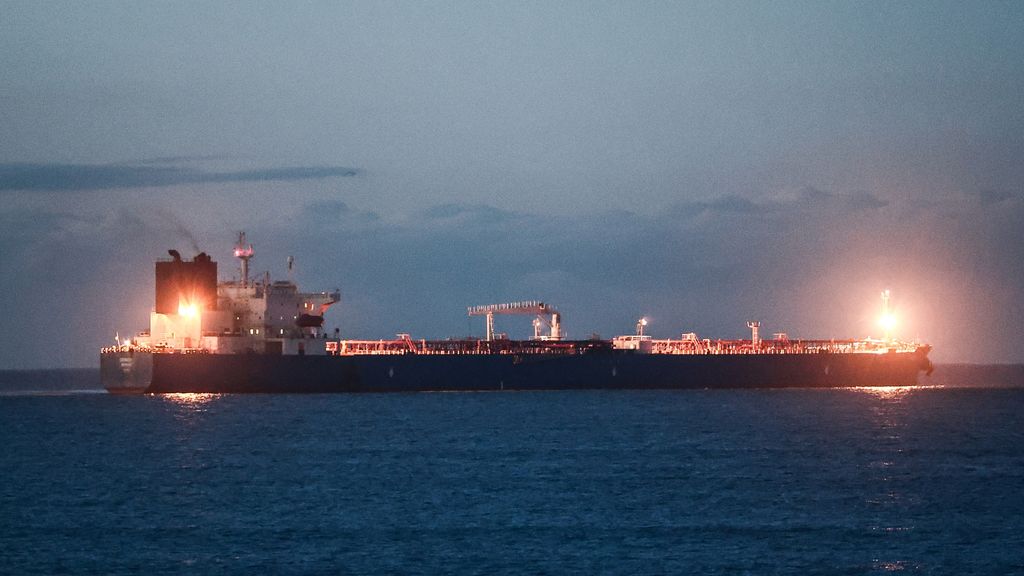
"About 40 to 50% of some of the most needed fertilizers in the world travel through the Strait of Hormuz," said John Newton of the American Farm Bureau Federation.
The American Farm Bureau Federation is warning the president that disruptions to fertilizer shipments during the critical spring planting season could threaten crop production.
Key fertilizer materials, including urea, ammonia, nitrogen, phosphate and sulfur-based products, move through the Strait of Hormuz, and delays or price spikes could make it harder for farmers to secure the inputs they need to plant and grow crops.
The group warned that if fertilizer supplies become too expensive or difficult to obtain, some farmers may reduce fertilizer use or delay planting, which could lower crop yields and tighten food supplies later in the year.
"There's still time for farmers to adjust. But the longer this conflict persists, the longer that strait remains closed, the greater the consequences can be," Newton said.
The ongoing conflict in Iran is affecting U.S. gas prices and could soon impact food costs, prompting the White House to consider measures like tapping the Strategic Petroleum Reserve and waiving the Jones Act.

www.wmur.com
With Iran effectively blockading the Strait of Hormuz, oil prices rose again on Friday, reaching the highest end-of-day level since 2022 despite efforts by Western officials to reassure markets that they are taking steps to prop up supplies and reopen the strait.
The world’s benchmark for oil finished the day above $103 a barrel, up more than 40 percent since the U.S.-Israeli war against Iran began almost two weeks ago.
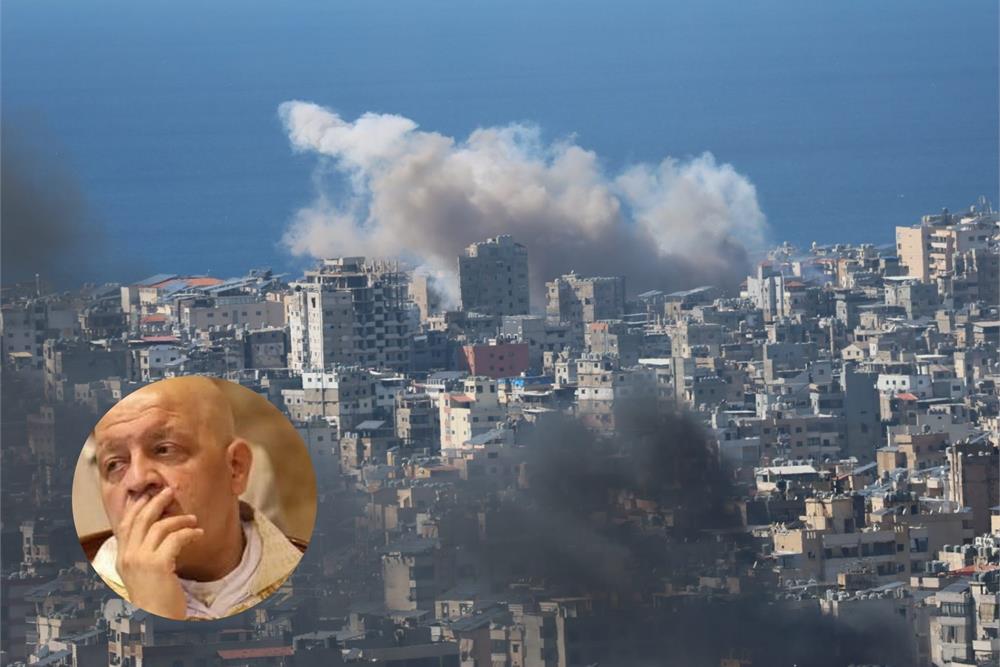
The attacks heightened fears that the war was expanding beyond Hezbollah’s traditional strongholds into parts of Beirut once considered comparatively safe. New strikes were also reported in Iran, Iraq and Israel.

www.nytimes.com
In a phone call with President
Trump this week, Russian President
Vladimir Putin proposed moving Iran's enriched uranium to Russia as part of a deal to end the war.