

• #41
Some working hypotheses:

Was the perp:

  • A known acquaintance, casual pickup during transit -- like a friend saw her standing at the bus stop?
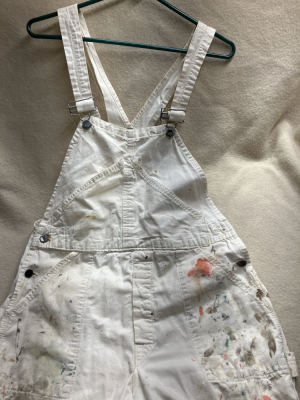
  • A slightly older contact (work/area), arranged ride -- like someone she met at her apartment building? Painter, etc. ?
  • An opportunistic contact such as choosing to hitchhike rather than wait for the bus?

    Route:
  • In 1980, no saying the bus route was this. Hypothesis, that the perp picked her up where she was waiting at a bus stop for the transfer.

    View attachment 653806

    Vehicle Hypotheses: If indeed a van...

  • Work van (trades/service) – painter, contractor, repair; common in 1980, mobile during daytime
  • Personal/custom “shag” van – owned by younger male, used socially. These might have curtains and tinted windows.
  • Borrowed/shared van – family or business vehicle used by someone else
  • Vehicle type uncertain / misidentified – did anyone actually see it? Could have been a van or another type of vehicle

Thanks for sharing these details. This lines up well with an older post's details

<div class="js-xf-embed" data-url="https://websleuths.com" data-content="post-14935155"></div><script defer src="https://websleuths.com/js/xf/external_embed.js?_v=953e7492"></script>
 
  • #42
Button and garment speculation from online research
  • A cardigan, sweater-jacket, vest, or pocket button
  • Possibly wearing a garment from the late 60s or early 70s,
Used heavily for years, producing the deep wear on button.

This type of clothing commonly worn by male 35–60 years old
• working-class
• practical dresser
• not fashion-conscious
• wearing older clothing until it wore out
• doing physical or outdoor work

May have been purchased from:
-Canadian Tire (outerwear + workwear)
-Small-town menswear shops in Bolton, Orangeville, Brampton
-Catalogue shopping (Sears, Eaton’s, Simpson’s
-Woolco (Brampton, Mississauga, or other nearby suburbs)

Men in rural Ontario often bought clothing from hardware stores, feed stores, general stores, and farm-supply shops, and these stores routinely carried wool cardigans, sweater-jackets, work vests, generic metal buttons, and private-label outerwear. (Archival inventories from the Archives of Ontario, the Wellington County Museum, the Dufferin County Museum, and rural retail studies in the Canadian Historical Review all document this.)

Based on the button, the most likely wearer in 1980:
• A working-class man, 35–60
• Living in or near rural Caledon/Orangeville
• Wearing a well-used cardigan, vest, or sweater-jacket
• Purchased locally in the late 60s or early 70s
• Worn for years, producing the deep scratches
 

Guardians Monthly Goal

Members online

Online statistics

Members online
107
Guests online
1,754
Total visitors
1,861

Forum statistics

Threads
645,043
Messages
18,833,012
Members
245,535
Latest member
sidesleeper
Top