Yes, I will try.
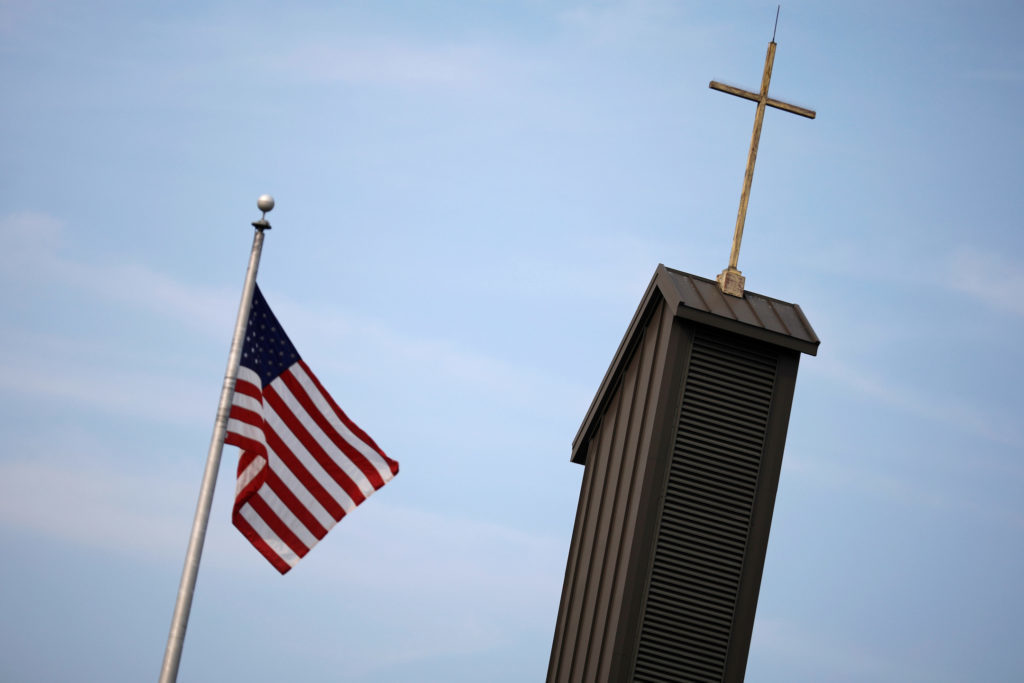
The pastor was the target of a protest. It is impossible not to have some discussion about his beliefs and why the protest started. It would be unrealistic not to have a background as to why the protest happened. When posters keep saying there is no white nationalist connection to the church and the pastor, I asked for clarification. Was it or was it not true?
THE MAIN FOCUS IS ON THE JOURNALISTS. DID THEY COMMIT A CRIME?
Let me start with the research our members did connecting
individual leaders within the church to white Christian nationalism. I want to be very clear about what
is and
is not being said here.
I am
not saying this is about the congregation.
I am
not saying the church publicly promotes white nationalist beliefs.
And I am
certainly not comparing this church to something like Westboro.
I'm not saying the protesters did not commit a crime.
What the research shows is that
a former leader and a current leader within the church appear to have documented ties to white nationalist ideology. That distinction matters.
Posters keep stating that
the church has nothing to do with white Christian nationalism, and that simply isn’t accurate based on the research that’s been posted. This is about
people involved in leadership, not the beliefs of the congregation as a whole.
We have removed a ton of posts talking about the pastor that were inappropriate. Keep in mind, if we don't get alerted on a post, more than likely we will not see it.
To be clear one more time:
I am
not saying the congregation shares these views or that the church advertises them. I am saying that
individuals in positions of authority appear to have connections, and that is what the research supports and that is why people were protesting.
This is still
not the main focus of this thread, but since the claim keeps being repeated, it needed to be addressed.
If anything I’ve said is unclear, that’s on me—it’s late and I’m exhausted.
Please start reading at
THIS POST to review the research for yourself
I am all for asking members to focus on the journalists and stop focusing on the topic of the protest. However, it would be unrealistic to stop all conversations about the topic of the protests.
No one is accusing the pastor of illegal activities. People were trying to show why he was a target right or wrong.
I reserve the right to change my mind after a really good night's sleep.